
The Question Your Customers Aren’t Asking (But You Need to Answer Today!)
Every customer has a hidden question – the one they never say out loud. If you don’t answer it, they will leave your website without buying, without enquiring, and without ever telling you why. This guide reveals that question and shows you exactly how to answer it on your website.
Customer needs questions are the hidden drivers behind every purchase. If you don’t answer them, you lose sales. Here’s how to fix that.

Table of Contents
What is the hidden question?
The question customers never ask is: “Can I trust you to solve my problem without risk?” They may ask about price, features, or delivery times – but underneath all of that, they want reassurance. When you build your website around answering this hidden question, you convert more visitors into customers.
Understanding customer needs questions is the first step to writing content that sells. Most businesses list features. The best businesses address fears, risks, and uncertainties.
Why customers never ask it directly
Customers don’t say “Can I trust you?” because it feels confrontational. Instead, they ask:
- “How much does it cost?” (translation: “Will I overpay?”)
- “How long does it take?” (translation: “Will you delay and waste my time?”)
- “Do you have experience?” (translation: “Will you make mistakes?”)
Your website must answer the real question behind these surface questions.
Explicit vs implicit needs – the critical difference
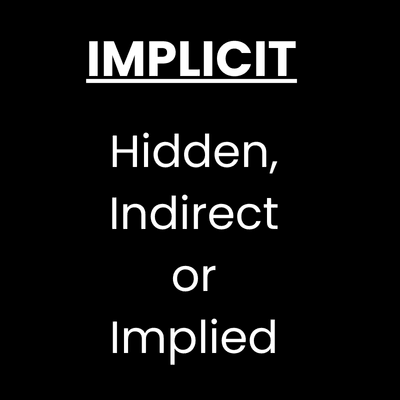
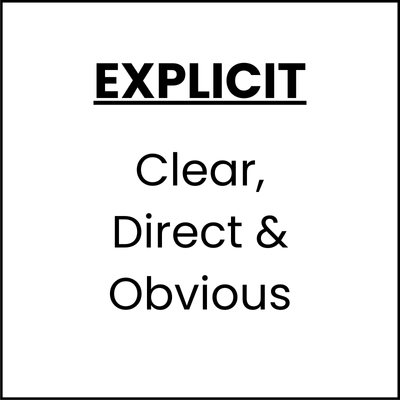
Explicit needs are what the customer says out loud (“I need a website”). Implicit needs are what they don’t say (“I need a website that makes me look credible so I don’t lose customers”). If you only answer explicit needs, you leave money on the table.
For example, when a small business owner asks for a “cheap website”, their implicit need is “I don’t want to waste money on something that doesn’t work”. If you answer only the price, you compete on cost. If you answer the implicit need, you offer value, reliability, and peace of mind – and you can charge more.
How to answer the hidden question on your website
Here are four proven ways to answer “Can I trust you?” without saying it directly:
- Show social proof – Testimonials, case studies, and client logos build trust instantly.
- Offer a clear guarantee – “30‑day support included” or “free consultation” reduces risk.
- Be transparent about pricing – Hidden fees destroy trust. Show your prices clearly.
- Use “you” language – Speak directly to the customer’s situation, not your own features.

Real examples for South African businesses
Let’s look at a practical example. A Cape Town plumber’s website might list “24/7 service” and “10 years experience”. That answers explicit needs. But the hidden question is “Will you arrive on time and not overcharge me?”. To answer that, the website should include:
- A photo of the actual plumber (builds personal trust)
- A clear price list for common jobs (reduces fear of overcharging)
- Google reviews from real customers (social proof)
- A guarantee: “If we are late, your next service is free” (removes risk)
When you apply this thinking to your own business, you will see conversion rates improve dramatically.
Building trust without being pushy
Trust is built through consistency, transparency, and empathy. On your website, that means:
- Using real photos of your team (not stock photos)
- Writing in a warm, professional tone
- Answering objections before they are asked (FAQ section)
- Making it easy to contact you (phone, email, WhatsApp)
Trust is also built through your website’s performance. A slow, broken, or insecure site screams “untrustworthy”. That is why investing in professional website design, security, and hosting is part of answering the hidden question.
Website design tips that answer the unspoken question
Your website layout and copy must work together. Here are quick tips:
- Above the fold – State clearly what you do and who you help. Include a trust badge (e.g., “Serving Western Cape businesses since 2019”).
- Testimonials – Place them near your calls to action. Use full names and photos when possible.
- Risk reversal – Offer a free consultation or a money‑back guarantee.
- Clear navigation – Make it easy to find pricing, contact, and about pages.
If you need help implementing these changes, contact us for a free website review.
Frequently asked questions about customer needs
Q: How do I find out what my customers’ hidden questions are?
A: Listen to sales calls and support emails. The same objections will appear repeatedly – those are the hidden questions.
Q: Should I answer every hidden question on my homepage?
A: No. Answer the most important ones on your homepage, then use dedicated service pages and your FAQ section for the rest.
Q: How many testimonials do I need?
A: Three to five strong testimonials with real names and photos are better than twenty anonymous quotes.
Q: What if I have no testimonials yet?
A: Offer a few early clients a discount in exchange for an honest review. You can also use case studies of your own work.
Q: Can a website really build trust if my business is brand new?
A: Yes. Be transparent about your experience, show your face, offer a strong guarantee, and use high‑quality design. Many customers prefer newer businesses that are honest and responsive.
Start answering the hidden question today
Stop guessing what your customers want. Start answering the question they never ask – and watch your leads increase. Contact us for a free consultation and let us help you build a website that builds trust and converts visitors into loyal customers.
You can also message us on WhatsApp for a quick response.
View our full all‑in‑one services page for more details on website design, SEO, and security packages.